
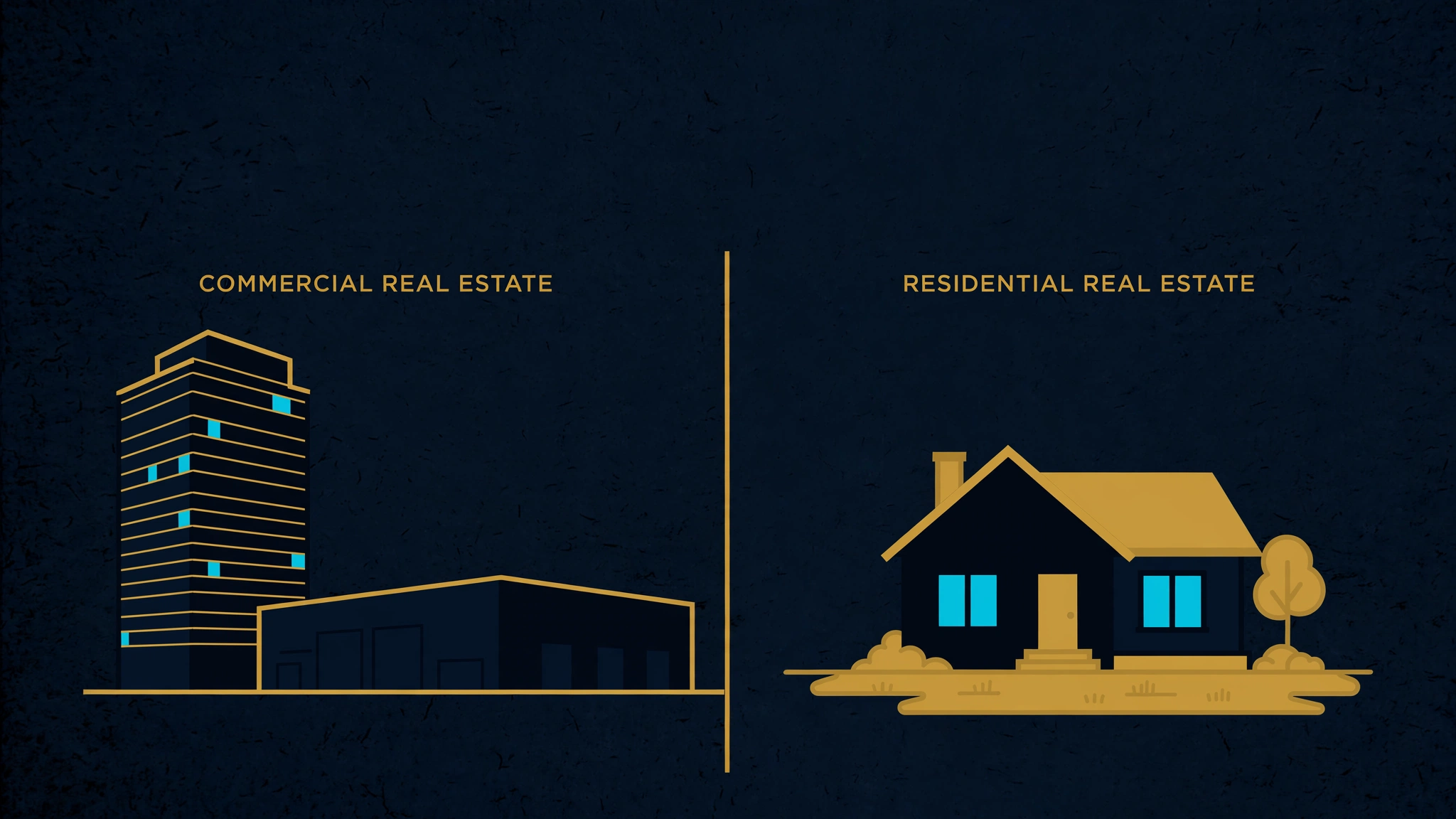
Commercial REO vs Residential REO: Key Differences from the Lender's Desk
Picture this: a lender stares down a stack of default files. One's a single-family home in a quiet suburb, the other a strip mall with leases expiring next quarter. Residential REO agents swoop in with comps and open houses. But commercial REO? That's a different beast entirely. Habits from residential work don't transfer cleanly to commercial real estate owned defaults. From the lender's desk—with two decades of operational expertise in the REO lifecycle—this article maps the key differences. No sales pitch, just a practical guide for REO agents, property owners, investors, servicers, and institutional lenders navigating asset disposition and loss mitigation.
Who Sits at the Table: Stakeholders in Residential vs Commercial REO
Residential REO often pulls in homeowners facing hardship, listing agents pushing MLS exposure, and servicers following a standardized foreclosure timeline. The path feels predictable: notice, auction, eviction if needed, then list.
Commercial REO draws a broader crowd. Asset managers track performance. Special servicers handle complex loans. Lenders weigh portfolio impact. Tenants occupy spaces under leases. Property managers handle day-to-day ops. Brokers specialize in investment sales. Institutional investors eye cap rates. This crowd changes everything. Decisions ripple through leases, cash flow, and tenant relations. One wrong move, and carrying costs escalate during the REO lifecycle.
Property Context: A Home vs a Revenue-Generating Asset
A residential property is a home. Vacant or not, it sits quietly. Utilities might tick up, but the burn stays low. No leases to abstract, no common area maintenance (CAM) reconciliations.
Commercial assets hum with activity. Tenants pay rent—or don't. Vacancies hit income. Use types vary: office, retail, industrial. Cash flow drives value, not just square footage. Operating realities include daily vendors, repairs, and seasonal swings. In Southern California or Pittsburgh's Steel City markets, a defaulted office building demands active oversight to preserve value through asset disposition.
Operating Questions from the Lender's Desk
Who covers utilities while the property defaults? Residential: often the owner until foreclosure. Commercial: leases dictate tenant responsibility, but vacancies mean lender picks up the tab. Taxes? Insurance? Security patrols? Vendor contracts? These questions burn from the lender's desk during loss mitigation.
Cost Intelligence in the REO Lifecycle
Cost Intelligence brings daily carrying costs into focus. Track utilities, taxes, insurance, and maintenance in one view. Lenders see the burn rate clearly, guiding decisions on hold versus sell. Residential costs plateau quickly. Commercial ones climb with vacancies and deferred maintenance.
- Residential: Basic preservation—mow the lawn, winterize pipes.
- Commercial: Secure vacant suites, reconcile CAM, negotiate holdover tenants.
Diligence Differences: Inspections to Lease Reviews
Residential diligence leans on home inspections, appraisal comps, and title searches. Straightforward.
Commercial diligence digs deeper. Review rent rolls for collections. Abstract leases for terms, options, assignments. Check environmental Phase I reports. Verify zoning compliance. Assess tenant creditworthiness. Scrutinize trailing twelve-month operating statements. Miss a rent abatement clause, and value evaporates.
Disposition and Decision-Making: Pipelines, Not Open Houses
Residential disposition: List on MLS, stage for showings, close in 30-60 days. Buyer pool? End-users seeking homes.
Commercial asset disposition builds a pipeline. Tailor listing strategies to property type—off-market for stabilized assets, auction for distressed retail. Buyers range from REITs to local operators. Timelines stretch with lease negotiations, due diligence periods, and lender approvals. Pressure mounts as carrying costs accrue.
What This Means for REO Agents, Property Owners, and Investors
For REO Agents
Residential skills build a base, but commercial demands lease savvy and investor outreach. Focus on Cost Intelligence to advise on hold costs.
For Property Owners and Homeowners
Commercial owners face tenant dynamics absent in residential loss mitigation. Understand your leases early.
For Investors, Servicers, and Lenders
Institutions track portfolios holistically. Commercial REO tests asset disposition precision amid daily operating realities.
Your Next Step in Mastering Commercial REO
From the lender's desk at Douglas REO Solutions, founded by Bruce Douglas of Douglas Consulting Services, we've honed this expertise across Southern California and Pittsburgh markets. Dive deeper at our Education hub. Grab the Commercial REO vs. Residential: The Complete Playbook or browse guides at the Gumroad storefront.
Educational Disclaimer: This article provides general education on commercial REO vs residential REO. It is not legal, tax, financial, or foreclosure advice. Consult qualified professionals for your situation.